
It was a massive week for AI in the real world. From a smarter Alexa in your living room to a private doctor-like assistant in your pocket, the gap between 'tech demo' and 'daily life' just got a lot smaller.
In This Issue:
- 💥 Big News: ChatGPT learns to read your medical records
- ✨ Weekly Spotlight: Build workflows without code
- 🔥 Trending Tools: Fresh releases for smarter planning, better ideas, and faster output
- 🛠️ Deep Dives: Three tools that save time on proposals, budgets, and internal work
💥 Big News
ChatGPT just became your personal health assistant →
OpenAI has officially launched ChatGPT Health. This isn't just a new chat window. It is a dedicated, encrypted space where the AI can securely connect with your real-world health data. You can now link apps like Apple Health or MyFitnessPal, and even upload medical records. The AI uses this data to contextualize its answers, helping you understand complex lab results or spot trends in your workout patterns.
The system is designed with strict privacy barriers. OpenAI explicitly states that conversations inside this Health section are never used to train their models. It generates responses based on your data but keeps that information siloed away from the rest of the ChatGPT ecosystem. Think of it as a private room where you can ask sensitive questions without worrying about the data leaking out.
While it is careful to remind you that it does not replace a doctor, it bridges a huge gap for patients. Instead of Googling symptoms and getting scared, you can upload a visit summary and ask, 'What did the doctor mean by this term?' or 'Based on my running data, why am I so tired?' It is rolling out via a waitlist now.
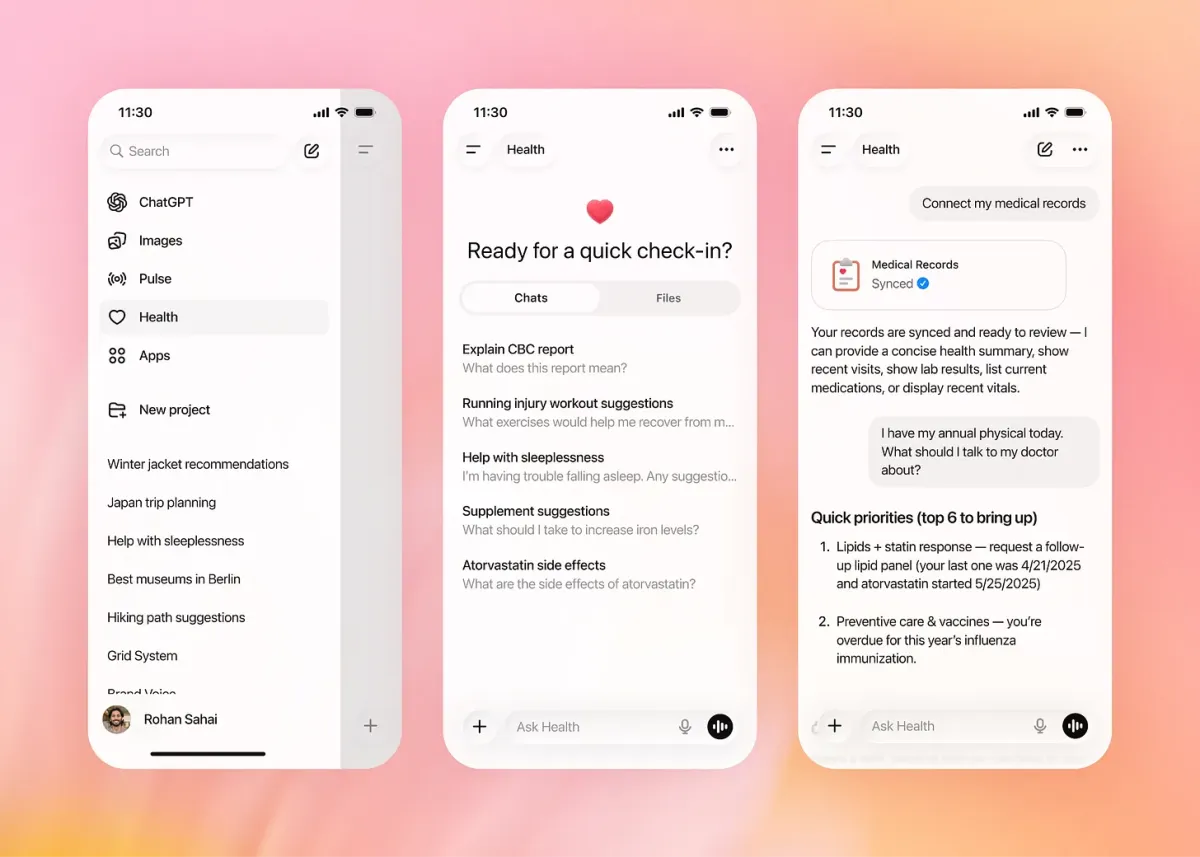
Why it matters: This is the moment AI moves from being a creative writing tool to a functional life companion. For millions of people, understanding medical records is confusing and stressful. By combining the reasoning of AI with your actual personal data (safely), ChatGPT Health could help people advocate for themselves better in the healthcare system.
Alexa finally learns how to hold a real conversation →
Amazon has debuted a completely new version of Alexa powered by generative AI. If you have ever been frustrated by having to phrase a command perfectly to get your smart speaker to listen, this update is for you. The new Alexa is designed to handle fluid, back-and-forth conversations rather than just rigid one-off commands.
The biggest change is context memory. In the past, if you asked Alexa about the weather and then said 'What about tomorrow?', it often got confused. The new system remembers what you were just talking about, allowing for natural follow-up questions. It also speaks with more variety and expression, making it feel less like a robot and more like a helpful presence in your home.
This update is rolling out to Echo devices now. It represents a massive shift for Amazon, moving Alexa from a simple command-and-control bot to a sophisticated assistant that can reason and understand intent.

Why it matters: Smart homes have felt 'stuck' for years. By giving Alexa a brain transplant with modern AI, Amazon is turning millions of existing devices into powerful conversational computers. It changes the relationship you have with your house from issuing orders to having a dialogue.
Your next computer (and car) will run AI without the internet →
At CES, NVIDIA unveiled a major push to bring powerful AI processing directly to consumer hardware. Instead of sending every request to the cloud (which takes time and requires an internet connection), NVIDIA's new platforms enable 'local' AI. This means your future laptop and car will have built-in assistants that run entirely on the device itself.
The presentation showcased how this tech will power in-car copilots that can see and understand the road, as well as creative tools on your PC that generate images or text instantly. By processing data locally, these tools are significantly faster and much more private, as your data never has to leave your physical device.
This covers everything from gaming rigs to everyday laptops and automotive dashboards. It signals a shift where high-end AI performance isn't just for massive server farms anymore. It is coming to the chips inside the stuff you already own.

Why it matters: Privacy and speed are the two biggest hurdles for AI adoption. Running AI legally on your own device solves both. It means your personal data stays with you, and your assistant works even when the Wi-Fi is down.
✨ Weekly Spotlight
Automate your busy work
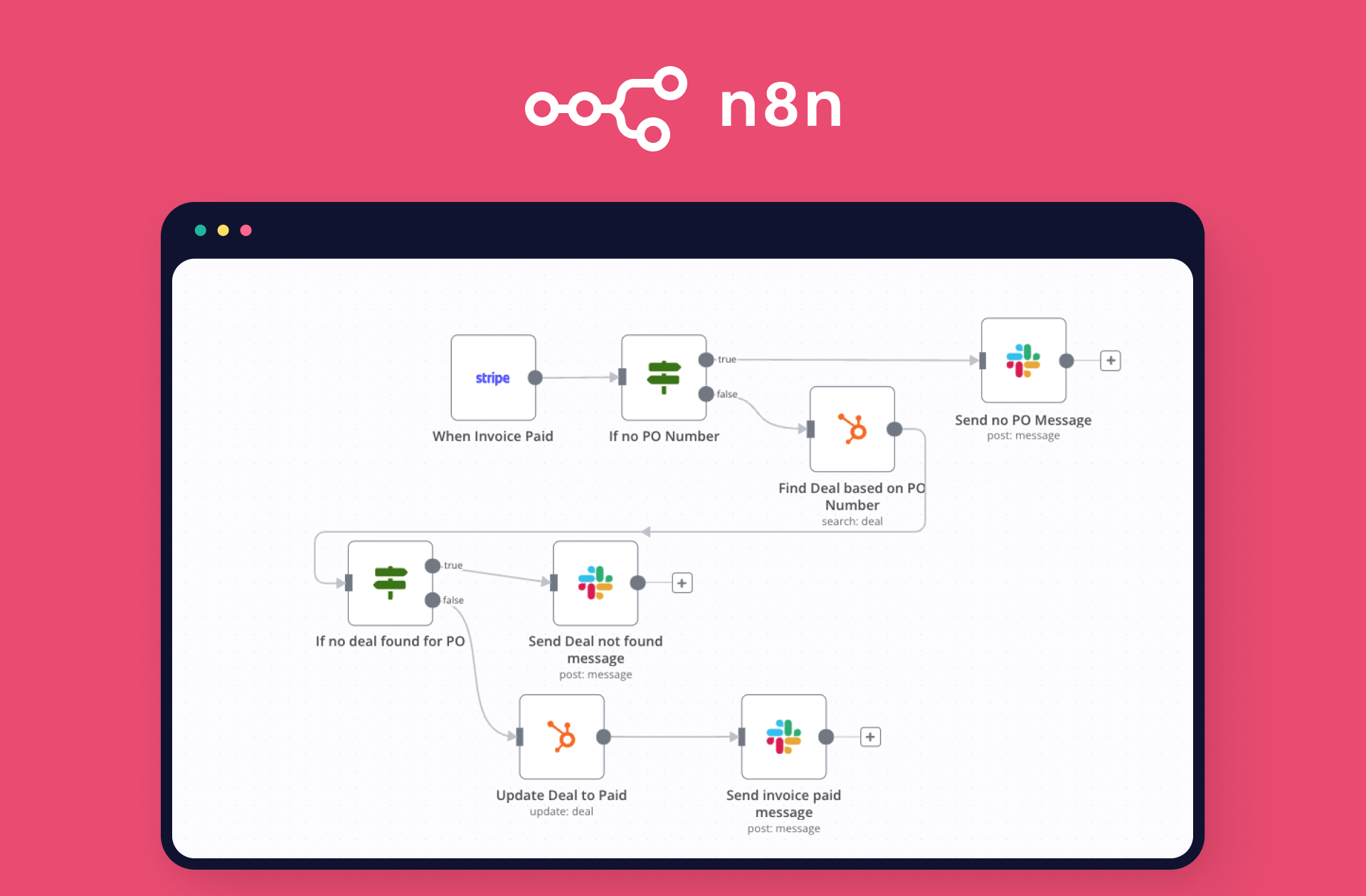
If you find yourself copying and pasting data between apps all day, n8n is worth a look. It's a workflow automation tool that connects your favorite apps together. Think of it like a smarter version of Zapier that gives you deeper control over how your data moves.
Want a clearer answer on which one to use this year? We broke it down in our new video: n8n vs Zapier | We Compared Everything .
Key Takeaways:
- Connects to hundreds of apps
- Visual editor makes it easy to see flow
- Great for automating repetitive admin tasks
🔥 Trending Tools
8 of the Top & Trending AI Tool Releases This Week!
- Vertech Academy : Turn chatbots into step-by-step tutors and planners**
- iMean AI : Plan cheap flights, hotels, itineraries all by AI chat**
- LiveDocs : Ask data questions, get charts and shareable apps
- Capacity : Turn ideas into full-stack web apps fast
- Muze AI : Auto-create, test, and scale winning Meta/Google ads
- Flakes : Browse by keyboard on Mac with tab-aware AI
- Intrascope : Centralize team AI chats, models, and spending
- PingPrompt : Consolidate, track, and improve your team's prompts
**Featured
🚀 Login to Futurepedia to see your 5 personalized tool recommendations.
 | Get your AI tool, agency, or service in front of 280k+ AI enthusiasts 🤝
|
🛠️ Deep Dives
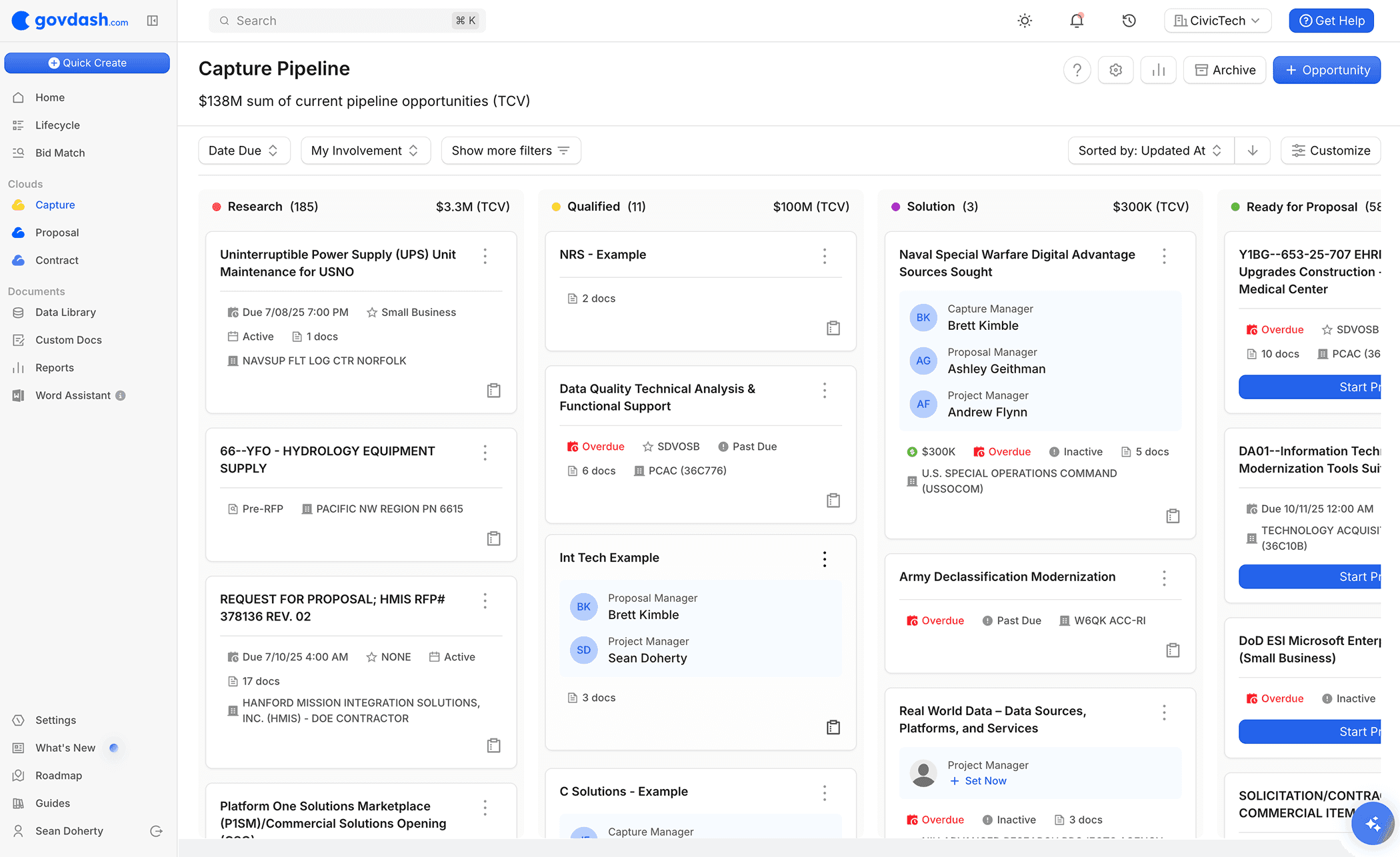
1. GovDash : Turn complex RFPs into a clear, trackable bid plan.
Why It's Worth Your Time:
- It breaks down long solicitations into a structured view, so you quickly see what the agency is actually asking for.
- It generates a requirements checklist and lets you map each requirement to the exact section that answers it, reducing compliance misses.
- It organizes past performance and outcomes, so future bids can reuse proof points that already worked instead of rebuilding from scratch.
Pricing: Quote-based. You submit a form and they prepare a quote.
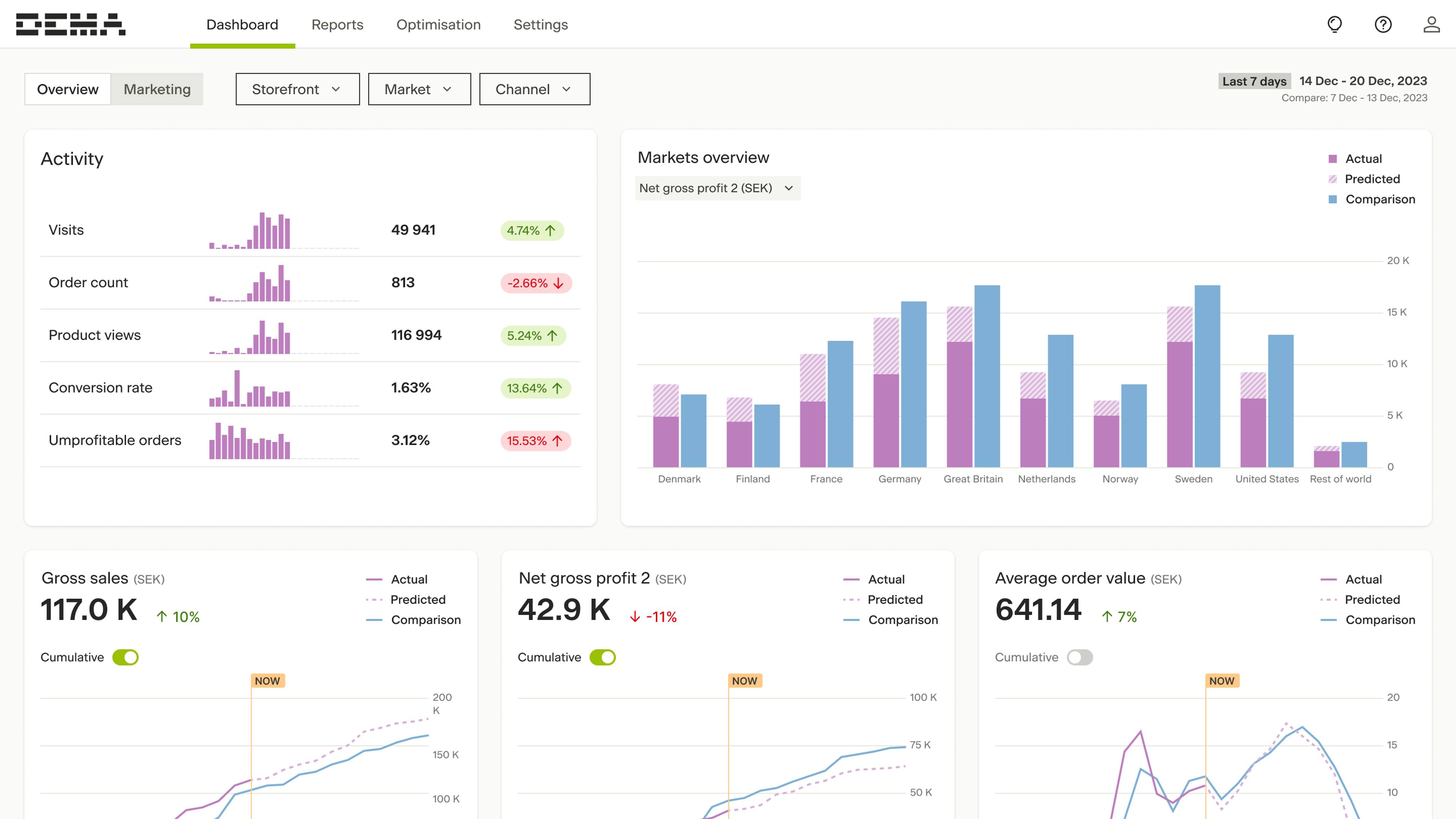
2. Dema : One dashboard for profit, spend, and performance across channels.
Why It's Worth Your Time:
- It shows real profitability after all costs, so you are not optimizing for revenue while margin quietly disappears.
- It unifies reporting across common tools, so your team stops reconciling numbers between Shopify, ads platforms, and email.
- It adds measurement options and an omnichannel module, helping you understand what is truly driving growth across online and in-store.
Pricing: Foundation $2,919 per month. Unified measurement add-on +$1,752 per month. Omnichannel analytics add-on +$584 per month.
3. Build0 : Generate internal apps fast, without waiting on engineering.

Why It's Worth Your Time:
- You describe the internal tool you need and it generates a working app, like dashboards, approval flows, or lightweight CRMs.
- It emphasizes business-ready controls like permissions, version history, and managed secrets, depending on plan.
- It highlights a broad integrations library, so these tools can connect into the systems your team already uses.
Pricing: Starter free. Team $35 per month. Growth $75 per month. Scale $149 per month. Enterprise custom.
⏭️ What's Next
Keep an eye on the rollout of ChatGPT Health. Startups and other tech giants are going to be watching closely to see if people trust an AI with their medical data. If this succeeds, expect Google and Apple to integrate similar 'Doctor AI' features deeply into their own phones very quickly.
